The best games you can pause anytime and still enjoy in 20-minute sessions are Into the Breach, N++, A Little to the Left, Mini Motorways, Lonely Mountains: Downhill, and Tactical Breach Wizards.
This list uses a stricter definition than “the console has a sleep button.” Each game has to pass two tests: it must let you stop without abandoning other players or losing a pile of progress, and 20 minutes must be enough to accomplish something recognizable. That removes online matches, long unbroken missions, and games that need half the session just to remember what you were doing.
Quick picks
- Best overall: Into the Breach
- Fastest from menu to playing: N++
- Calmest choice: A Little to the Left
- Best for a short strategy fix: Mini Motorways
1. Into the Breach
Into the Breach is the cleanest answer because it is built from small, turn-based battles on compact grids. The Vek show exactly where they plan to attack, then wait while you move mechs, push enemies, block spawns, or decide which building you can afford to lose. A distraction can sit there for five minutes without changing the board.
In a short session, you can finish a battle or make meaningful progress across an island. Even one turn feels like a complete puzzle rather than the opening fraction of a larger fight. Runs are divided into clear missions, so the game also gives you sensible exits before “one more” becomes another hour.
The catch is that it is mentally dense. Coming back to a battle after several days may require a minute to reconstruct the little disaster you left behind.
Twenty-minute goal: Complete one battle, then stop at the island map.
Platforms: PC, macOS, Nintendo Switch, iOS, and Android. The mobile versions require a Netflix membership.
2. N++
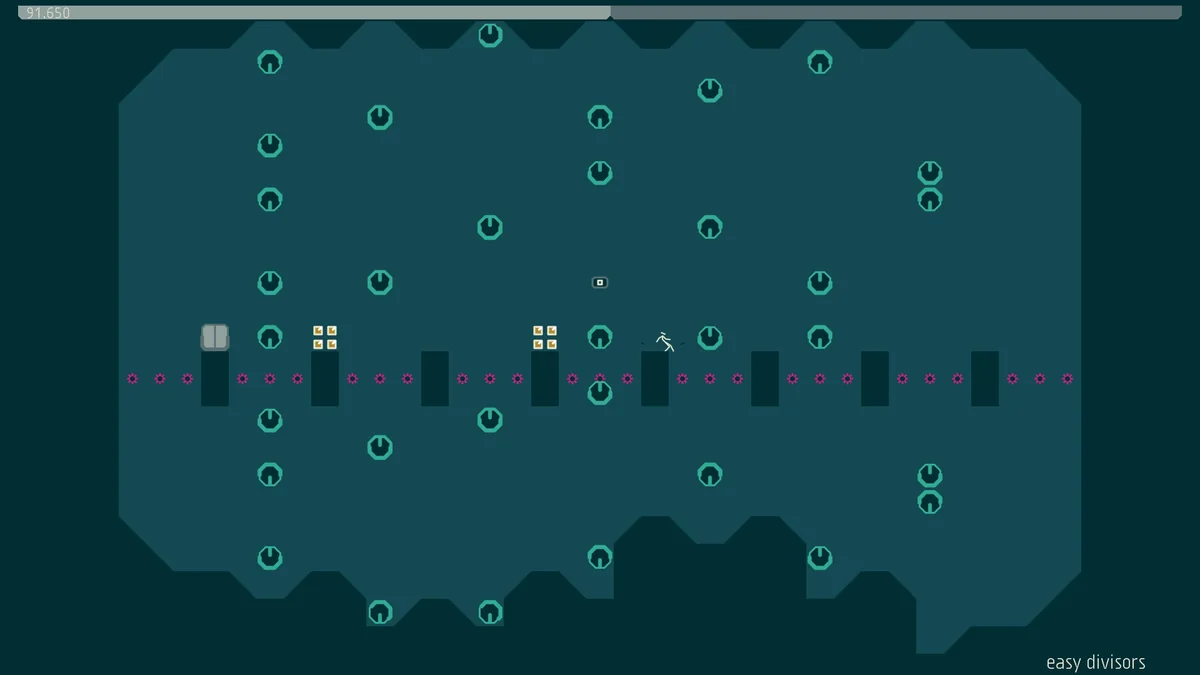
N++ wastes almost none of your available time. Its tiny ninja is running and jumping within seconds, individual levels are compact, and failure returns you to another attempt immediately. There is no equipment screen, dialogue recap, or open-world map to study first.
That makes it unusually good when you genuinely have only 20 minutes. You can clear several levels, improve a rough time, or spend the whole window finally solving one nasty room. All three feel like legitimate ways to play.
It does become brutally difficult. Some late levels can swallow the entire session without giving you a completion screen, although the instant restart keeps failure from feeling like wasted setup.
Twenty-minute goal: Clear a handful of levels or improve one personal time.
Platforms: PC, macOS, PS4, Xbox One, and Nintendo Switch.
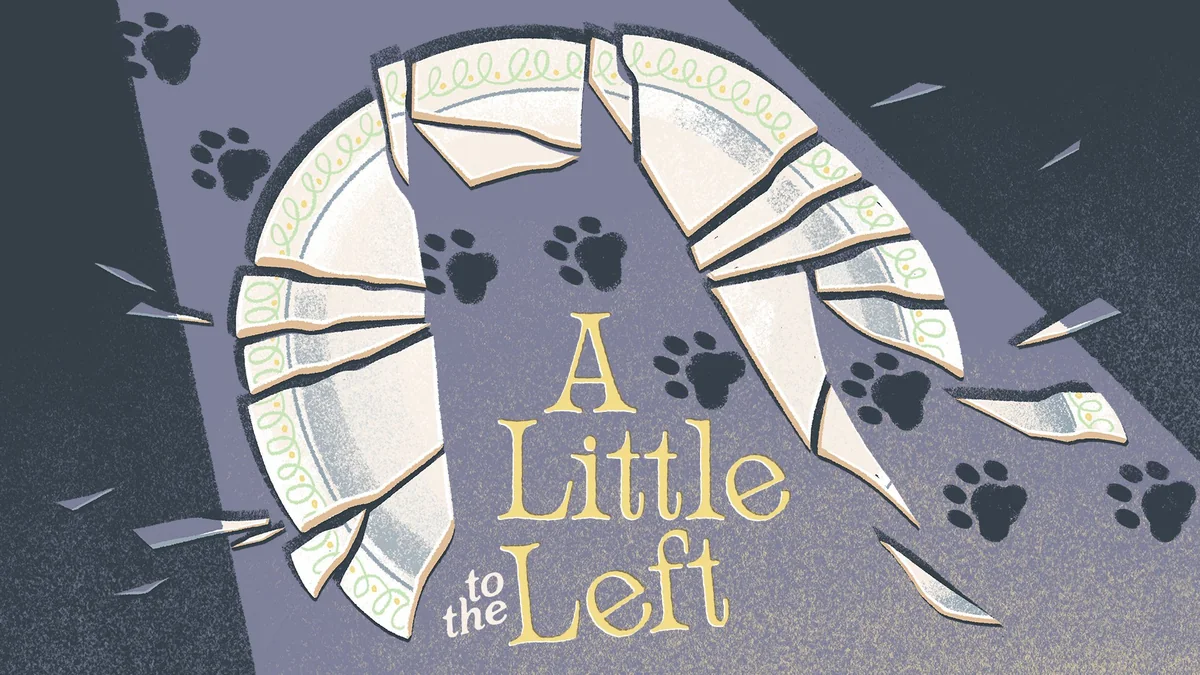
3. A Little to the Left
A Little to the Left turns crooked picture frames, crowded drawers, books, pencils, and household clutter into self-contained puzzles. Most can be solved in a few minutes, and the game officially allows you to pause or skip a puzzle when real life—or its mischievous cat—interrupts the plan.
The useful part is the lack of warm-up. Open the game, solve one small visual problem, and leave with a tidy little victory. Its Daily Tidy also supplies a fresh variation when you do not want to remember where you were in the main campaign.
Some solutions depend on spotting the designer's particular organizing logic. If arranging virtual objects sounds more irritating than calming, this will not magically become therapeutic just because the colors are soft.
Twenty-minute goal: Solve two or three puzzles, or complete the Daily Tidy.
Platforms: PC, macOS, PlayStation, Xbox, Nintendo Switch, iOS, and Android.
4. Mini Motorways
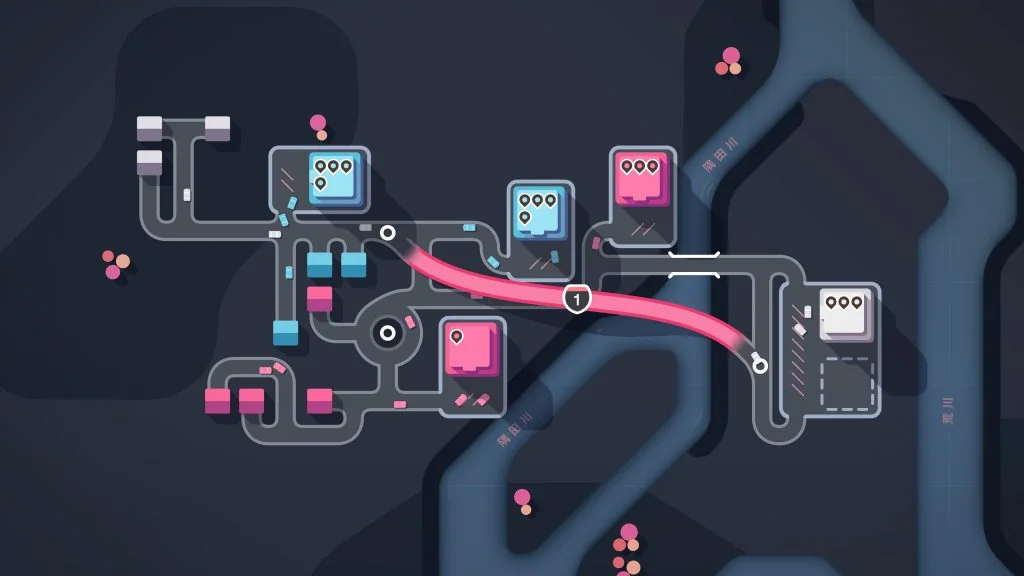
Mini Motorways gives you an empty city and asks you to connect growing homes and destinations with a limited supply of roads. Time can be paused while you stare at a bad intersection, delete half the network, and wonder why everyone suddenly needs to drive across the river.
A 20-minute session produces something visible: a city that did not exist when you started and a road system that probably worked beautifully for at least six minutes. Challenges and Daily Challenges provide clearer one-off targets, while Endless Mode is there if you would rather keep repairing a city after the normal run ends.
The honest problem is stopping. A healthy city does not conveniently conclude when your timer rings, so you need to be comfortable pausing a run midstream and returning later.
Twenty-minute goal: Start a city and survive its first serious traffic problem.
Platforms: PC, macOS, Nintendo Switch, and Apple Arcade.
5. Lonely Mountains: Downhill
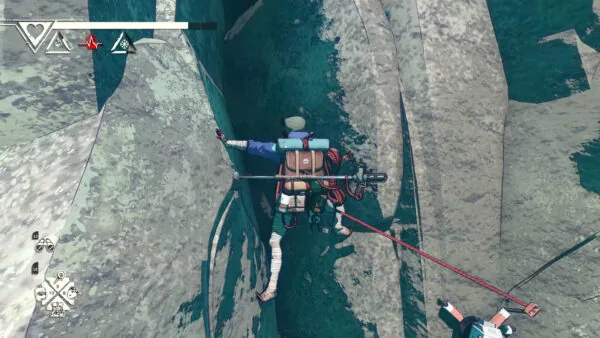
Lonely Mountains: Downhill works in short bursts because a mountain is broken into trails, checkpoints, and repeated attempts. You can ride carefully, hunt for a shortcut, or restart a section almost as soon as your cyclist meets a tree. It has the focus of a racing game without making you wait through an online lobby or a full championship weekend.
Twenty minutes is enough to learn a difficult stretch and usually enough to reach another checkpoint or improve a previous descent. The game can be paused immediately, and its quiet mountains make it easy to return without remembering characters, quests, or a combat build.
Learning a new trail is not always relaxing. Crashes are frequent, and a clean top-to-bottom run can take longer than the time you have until its corners settle into muscle memory.
Twenty-minute goal: Learn one trail section, reach a checkpoint, or improve a prior run.
Platforms: PC, PS4, Xbox One, Xbox Series X|S, and Nintendo Switch.
6. Tactical Breach Wizards
Tactical Breach Wizards is a turn-based tactics game about a team of heavily armed magic users kicking through doors. Each room is its own compact problem: predict an enemy's move, throw somebody through a window, test the result, and rewind when the plan turns out to be impressively stupid.
Because nothing moves until you act, an interruption is harmless. A short session can cover one or two encounters, and the rewind system means experimentation does not force you to replay a long setup. It is a much easier game to fit around a busy evening than most campaign shooters, while still providing the satisfaction of clearing a room.
There is plenty of dialogue between missions, and some story stretches are less naturally divisible than the battles. It is also currently a PC-only recommendation.
Twenty-minute goal: Solve one or two combat rooms.
Platforms: PC.
Good games that just missed this list
Hades and Balatro are easy to pause and excellent in shortish sessions, but a complete run can comfortably exceed 20 minutes. They fit better when the question is what to play after work or what to play while listening to something than when the deadline is strict.
Sleep mode and quick resume are useful, but they do not fix every game either. Pausing halfway through a complicated boss or a two-hour story mission preserves the software state; it does not preserve the plan that was in your head three days ago.
The easiest choice
Start with Into the Breach if you want the best combination of depth and clean stopping points. Choose N++ when even menus feel like wasted time, or A Little to the Left when the session needs to lower your pulse. If none of those sounds right, the game recommender can narrow things down by mood and platform, and the randomizer can make the decision for you.
Sources
- Into the Breach official site — turn-based structure, platforms, and mobile availability
- N++ official site — level-based structure and platforms
- A Little to the Left on PlayStation and the official press kit — pausing, puzzle skipping, Daily Tidy, and platforms
- Mini Motorways official press kit and support page — game modes and platforms
- Lonely Mountains: Downhill official site — trail structure and platforms
- Tactical Breach Wizards on Steam — turn-based combat, rewind system, and platform